How Prize Wheel Challenges Create Friendly Competition
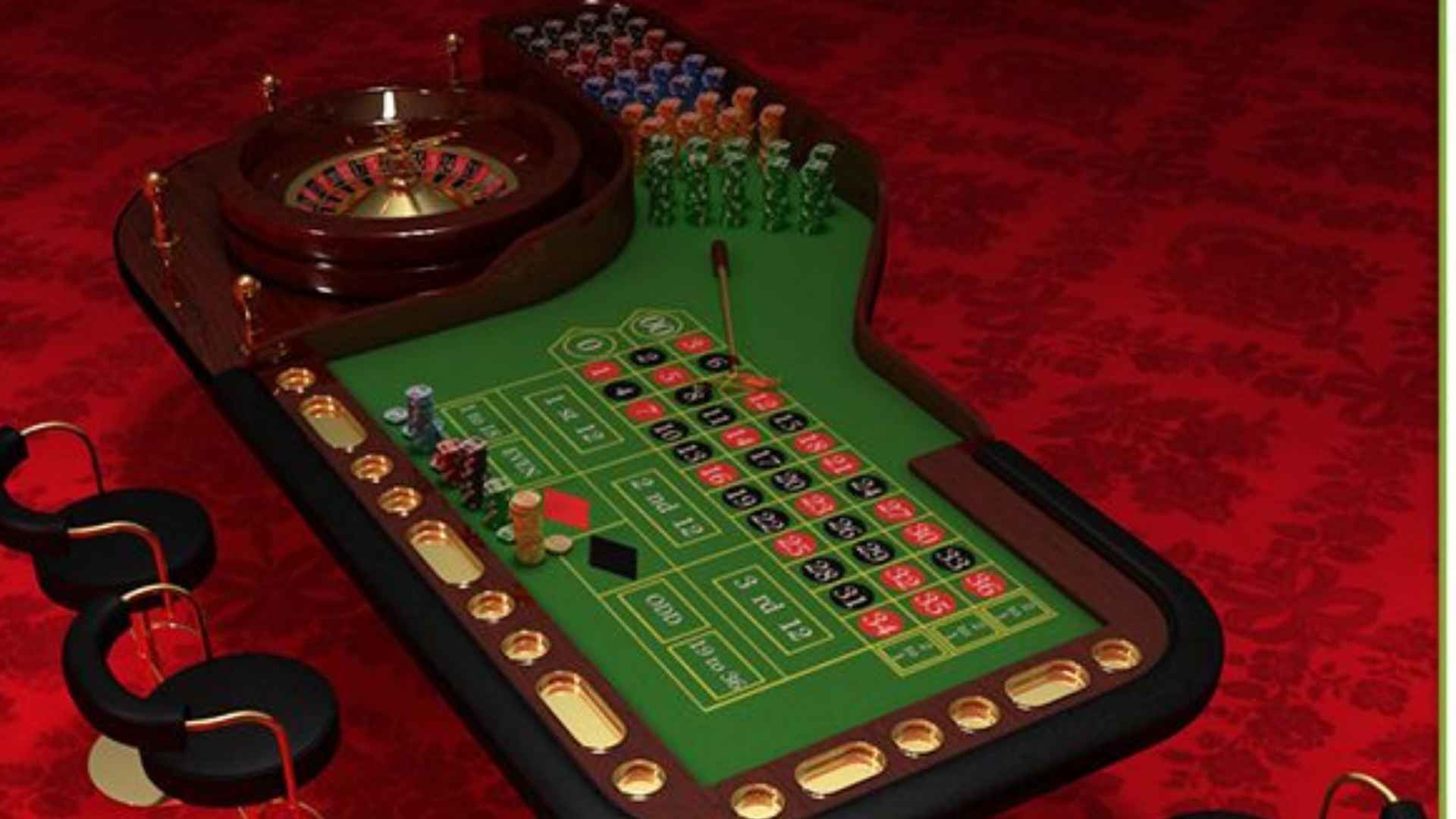
Prize wheel challenges have transformed from simple promotional tools into powerful instruments for building social engagement and community spirit. By introducing a shared element of anticipation, these spinning mechanisms naturally draw people together in both physical settings and virtual ecosystems. When individuals gather to watch a wheel decide someone's fortune, the collective energy shifts toward a unique form of cooperative engagement.
The Shared Psychology of Anticipation
The core mechanism that drives interaction around a rotating selector is the brief window of total suspense felt by everyone watching. Unlike solo activities, a public wheel spin allows observers to invest emotionally in the participant's final outcome. This shared experience breaks down social barriers rapidly, transforming casual onlookers into an active, supportive audience.
As individuals celebrate small wins together or sympathize over near misses, a baseline of mutual camaraderie begins to form naturally. This dynamic demonstrates that the journey toward the reward is often more socially valuable than the tangible item itself. Group dynamics thrive on these quick, emotionally accessible milestones that anyone can understand instantly.
Gamification and the Spirit of Friendly Rivalry
Integrating spinning challenges into structured events introduces an element of lighthearted gamification that motivates people to participate. When a leaderboard or streak count is combined with random outcomes, a healthy desire to test one's luck emerges among peers. This style of interaction keeps the environment entertaining without creating genuine pressure or negative rivalries.
Modern digital implementations have made tracking these group challenges much more seamless across global networks. Platforms like m88 utilize clear interactive systems to ensure that participants stay connected during various promotional events. By offering transparent mechanics, these environments allow everyone to enjoy the baseline mechanics of casual, fun-driven contests.
Designing Balanced Reward Systems for Groups
To keep a group challenge healthy, the distribution of incentives must favor steady engagement over single grand prizes. If only one major jackpot exists, the overall enthusiasm can drop quickly once that specific item is claimed by a participant. A diverse layout containing multiple mid-tier rewards ensures that the cooperative momentum remains sustainable.
When smaller bonuses are distributed frequently, more individuals get to experience the satisfaction of a successful turn. This balance encourages continuous participation and keeps the broader group conversation lively throughout the entire event. A well-structured event relies entirely on keeping the collective interest high for every single person involved.
Building Lasting Communities Through Interactive Content
Ultimately, the friendly rivalries created by spinning contests serve as an excellent foundation for long-term community retention. People remember the shared laughter, the high-stakes moments, and the casual conversations that occur around the activation area. These memories help transition temporary event visitors into active members of a dedicated network.
As digital media continues to favor interactive experiences, simple mechanics like the traditional wheel will remain highly relevant. They provide a reliable bridge between random luck and collective human connection that few other formats can replicate. Embracing these challenges allows organizers to foster vibrant spaces defined by positive engagement.